
Berlin is known for its diversity. In addition to modern architecture, the world-famous club scene, and numerous parks and beer gardens, Berlin also offers a rich array of historical landmarks, art, and culture to experience in the city. It’s no coincidence that the city has its own Museum Island. We’ll show you in our list the coolest museums in Berlin that you absolutely must visit on your trip to the German capital.
Our Top 9 Museums in Berlin
Berlin has a turbulent history. From its founding in the 13th century through the Prussian imperial era, the Nazi period, and the subsequent era of German division to modern times, the city has experienced a lot. This is also reflected in Berlin’s rich museum landscape.
But in Berlin’s museums, you won’t just learn interesting things about the city’s history and other cultures. The museums in Berlin are as diverse as the city itself and offer something for everyone. From exhibitions of rare artifacts to museums with unusual themes to exhibitions specifically for children, everyone in Berlin can find the right museum for them.
Our Museum Tip No. 1: The Natural History Museum
Want to see a real T-Rex? You can in Berlin! Well, at least a skeleton of the roughly 65-million-year-old dinosaur can be seen at the Berlin Natural History Museum. On over 6,600 square meters of exhibition space, young and old can marvel at the wonders of nature.
Whether it’s the infinite expanses of the cosmos, the development of evolution, or how volcanoes work and continents drift—the Berlin Museum of Natural History never gets boring and you can learn a lot of new things. Our tip: Buy tickets online in advance to skip the line at the ticket counter.
Where?
Museum of Natural History: Invalidenstraße 43, 10115 Berlin
When?
Tuesday to Friday: 9:30 AM – 6:00 PM
Saturday, Sunday, and public holidays: 10:00 AM – 6:00 PM
Admission?
8 euros, reduced 5 euros.

Our Museum Tip No. 2: German Museum of Technology
In addition to the wonders of nature, technology enthusiasts will also find the right museum in Berlin. In the exhibition halls of the Museum of Technology, you’ll find nearly everything that the wonders of technology have to offer, from boats and airplanes to old cars and locomotives to the beginnings of photography as well as a dedicated jewelry and printing workshop.
The best part: Touching is allowed for most of the exhibits, and most locomotives, boats, or airplanes can even be entered. This way, the museum visit doesn’t get boring even for children and at the same time brings out the inner child in many of the older visitors.
Where?
German Museum of Technology: Trebbiner Straße 9, 10963 Berlin
When?
Tuesday to Friday: 9:00 AM – 5:30 PM
Saturday & Sunday: 10:00 AM – 6:00 PM
Admission?
8 euros, reduced 4 euros.

Our Museum Tip No. 3: The Pergamon Museum
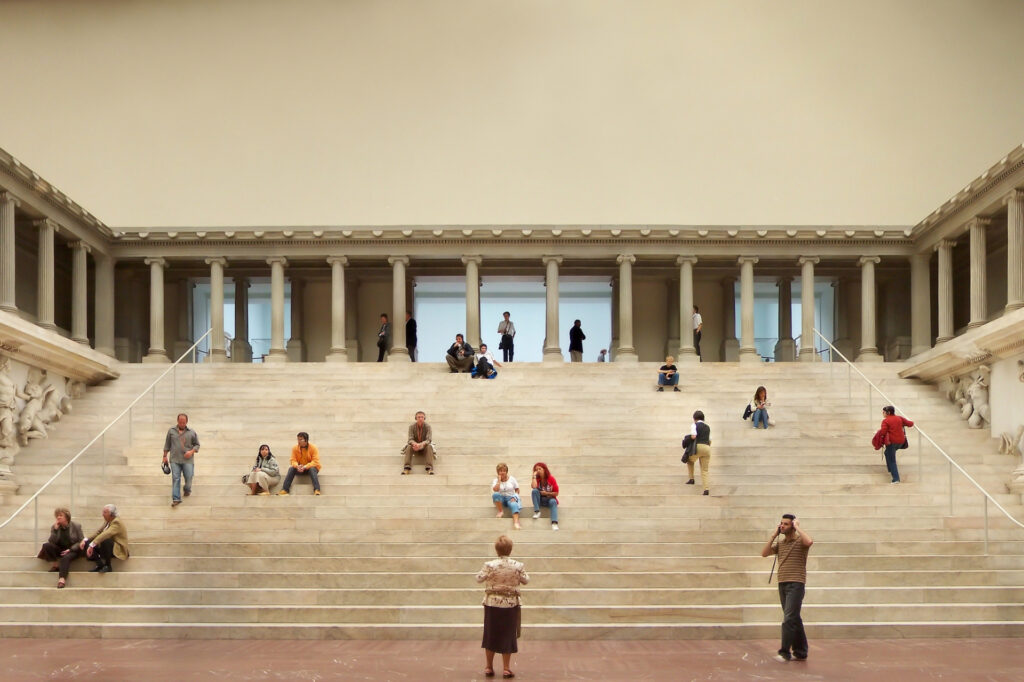
The building on Bodestraße is probably one of the most diverse museum buildings in Berlin. In addition to the Pergamon Museum, you’ll also find the Museum of Islamic Art, the Museum of the Ancient Near East, and the Antikensammlung (Collection of Classical Antiquities). The highlight of this museum ensemble is the Pergamon Museum with its Pergamon Altar.
The fascinating exhibits from Roman and Greek antiquity transport you into ancient history and mythology, offering a tangible impression of these long-gone eras.
Where?
Pergamon Museum: Bodestraße 1-3, 10178 Berlin
When?
Tuesday, Wednesday, and Friday to Sunday: 10:00 AM – 6:00 PM
Thursday: 10:00 AM – 8:00 PM
Admission:
12 euros, reduced 6 euros.
Our Museum Tip No. 4: Museum of Communication
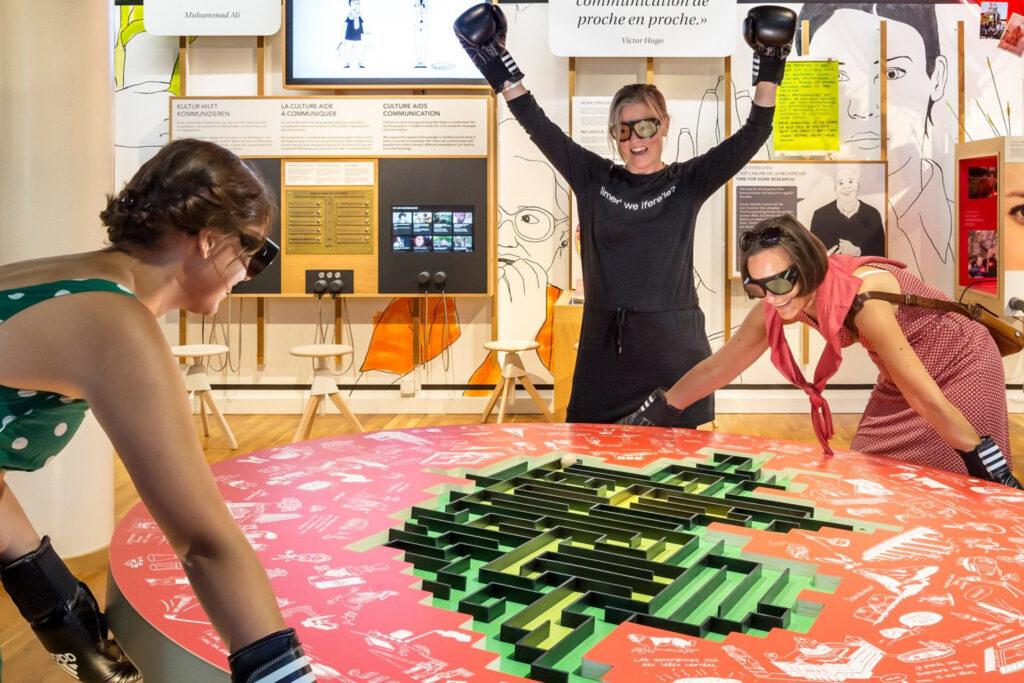
Nowadays, the smartphone has become our constant companion, allowing us to communicate with other people almost anywhere and anytime. But how did people communicate in the past? You can find out at the Museum of Communication in Berlin. From prehistoric hand axes to ancient writing tablets and medieval scrolls to the first mailboxes and telephones, all the milestones of communication technology can be admired here.
Regularly changing exhibitions and educational programs also aim to promote media literacy for young and old. On Sundays, there are special offers for families where, for example, secret codes can be deciphered or secret messages can be written with invisible ink.
Where?
Museum of Communication: Leipziger Straße 16, 10117 Berlin
When?
Tuesday: 9:00 AM – 8:00 PM
Wednesday to Friday: 9:00 AM – 5:00 PM
Saturday, Sunday & public holidays: 10:00 AM – 6:00 PM
Admission?
6 euros, reduced 3 euros.
Our Museum Tip No. 5: The Musical Instrument Museum
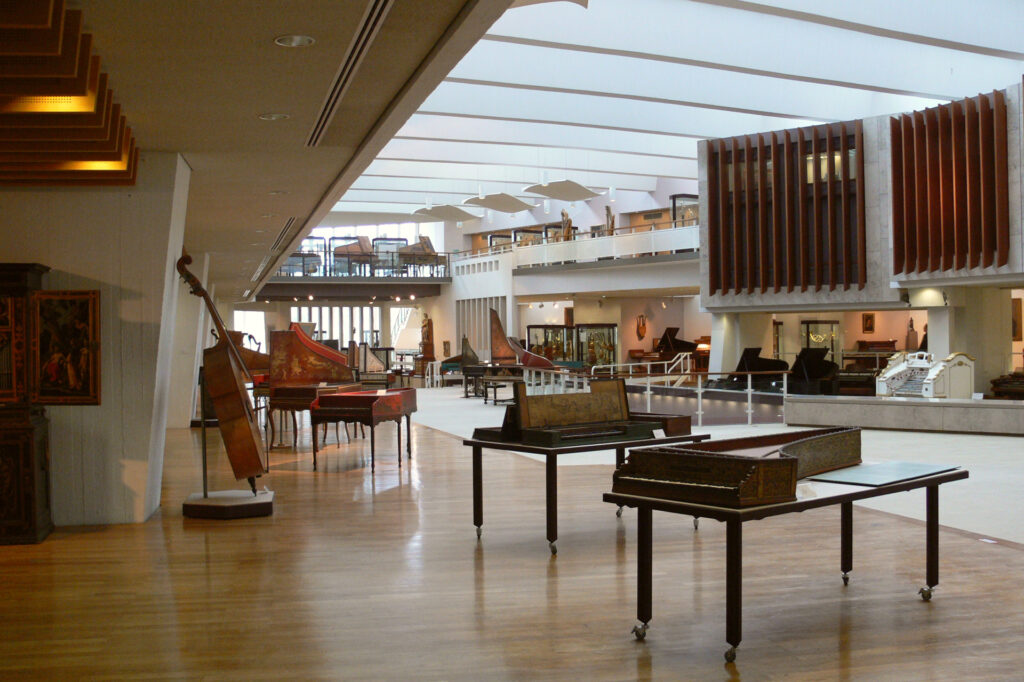
As early as 1888, the foundation for today’s Musical Instrument Museum in Berlin was laid with the “Collection of Old Musical Instruments.” Today, the museum houses more than 3,300 musical instruments from the 16th to 21st centuries, according to its own information, of which around 800 exhibits can be admired by visitors.
During guided tours, you can not only admire the various instruments visually but also experience the unique sound and the particular characteristics of playing each instrument. Constantly changing exhibitions with different focuses ensure that even repeated visits to the Musical Instrument Museum are always exciting.
Where?
Musical Instrument Museum: Ben-Gurion-Straße, 10785 Berlin
When?
Tuesday, Wednesday, Friday: 9:00 AM – 5:00 PM
Thursday: 9:00 AM – 8:00 PM
Saturday & Sunday: 10:00 AM – 5:00 PM
Admission?
6 euros, reduced 3 euros, free admission under 18.
Our Museum Tip No. 6: German Historical Museum
A classic of Berlin’s museum landscape is the German Historical Museum in Mitte. Here, visitors learn fascinating things and connections about all-German history. As one of the largest history museums in the world, not only historical but also philosophical and ethical questions are explained in the context of history.
The exhibitions vary and repeatedly focus on history-shaping events and developments as well as the significant personalities associated with them. In doing so, the German Historical Museum pursues the approach of not only presenting history but also connecting its effects to our present day.
Where?
German Historical Museum: Unter den Linden 2, 10117 Berlin
When?
Friday to Wednesday: 10:00 AM – 6:00 PM
Thursday: 10:00 AM – 8:00 PM
Admission?
8 euros, reduced 4 euros, free admission under 18.

Our Museum Tip No. 7: German Spy Museum
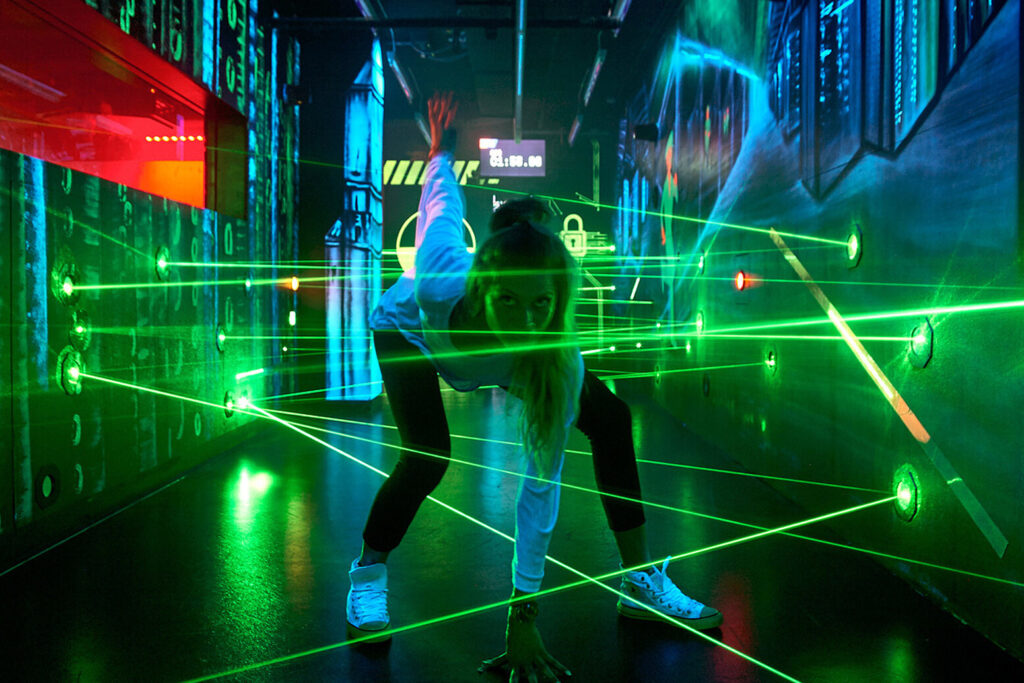
Secret agents like James Bond have an almost magical appeal to us. At the German Spy Museum, you can immerse yourself in the world of agents, spies, and intelligence services. In addition to the numerous exhibits from the development of spies and intelligence services, there are also many things to try out yourself.
Not only children will enjoy this kind of hands-on museum, where you can, for example, write your own Morse message, crack a safe, write with secret ink, or navigate a laser obstacle course. If you really want to know, you can also take a lie detector test with your companion.
Where?
German Spy Museum: Leipziger Platz 9, 10117 Berlin
When?
Daily 10:00 AM – 8:00 PM
Admission?
Ticket prices vary depending on capacity between 8 and 18 euros, reduced 6 to 12 euros.
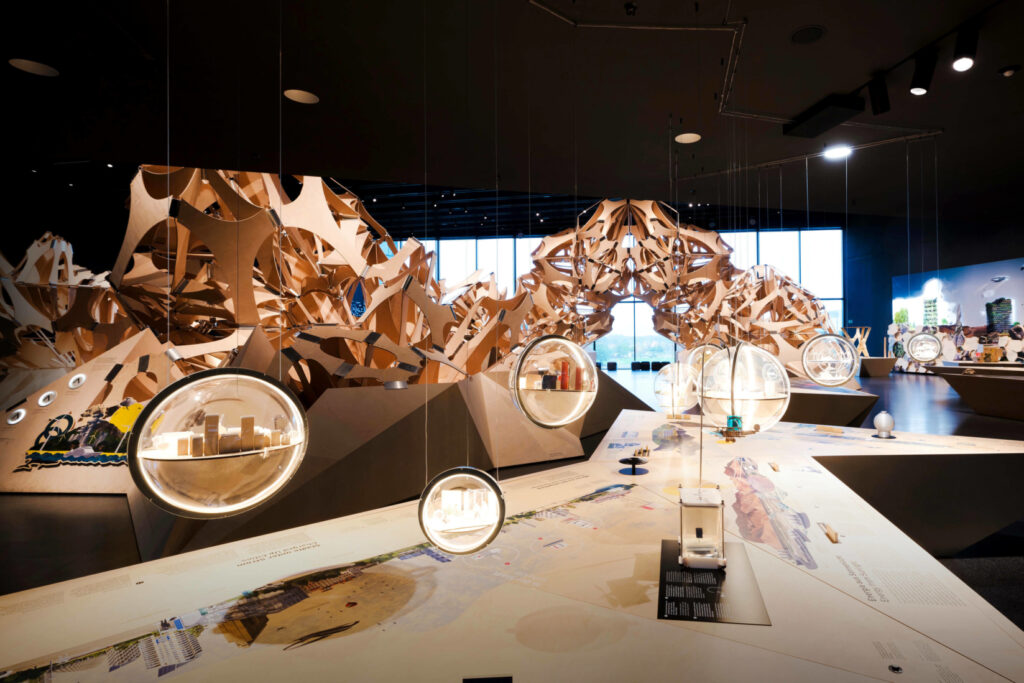
Our Museum Tip No. 8: The Futurium
In traditional museums in Berlin, you often learn about the past. But the Futurium deals with the future. What will our worlds look like in the future? How will we get around, communicate, or work? These and many other questions are addressed and explored at the Futurium.
The Futurium sees itself as a hands-on museum where it’s less about exhibitions and exhibits and more about discussions in the forum, developing new concepts in the lab, and collaboratively shaping ideas for the future.
Where?
Futurium: Alexanderufer 2, 10117 Berlin
When?
Friday to Monday and Wednesday: 10:00 AM – 6:00 PM
Thursday: 10:00 AM – 8:00 PM
Admission?
free.
Our Museum Tip No. 9: Jewish Museum
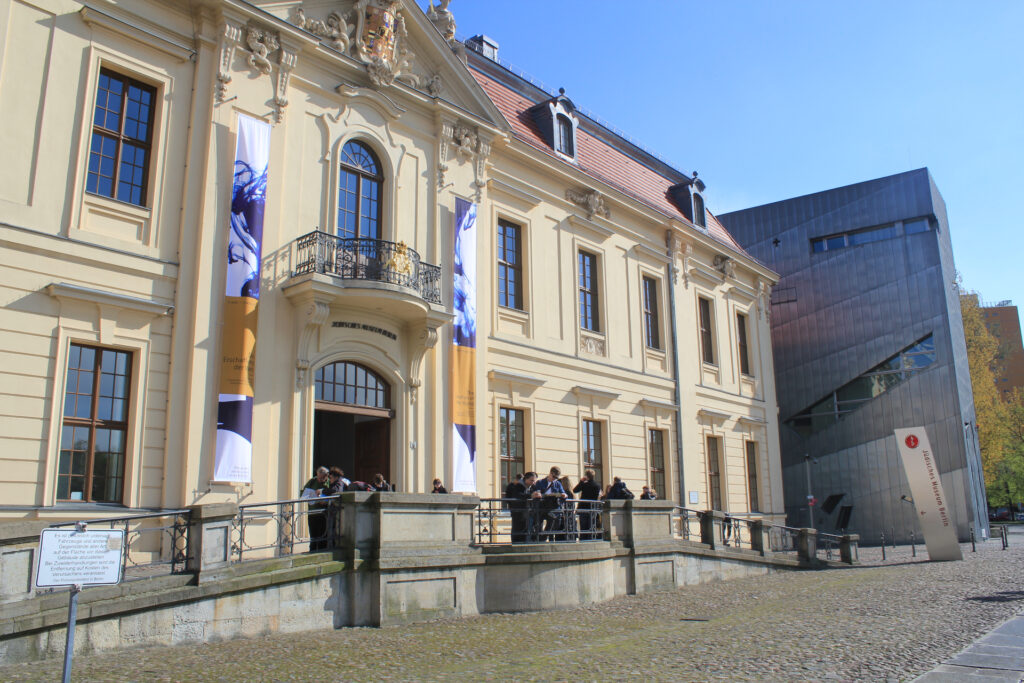
Jewish life in Berlin and throughout Germany has a long and very turbulent history. This is showcased in an impressive building by star architect Daniel Libeskind. In addition to the numerous exhibits from late antiquity to the present, the Jewish Museum Berlin also offers a very diverse event program as well as a large garden with a café.
The workshops and tours offered specifically for children are not only educationally valuable but also fun and promote creativity. Directly across the street is ANOHA, the children’s world of the Jewish Museum, where especially the little ones get their money’s worth and can learn playfully along the way.
Where?
Jewish Museum: Lindenstraße 9 – 14, 10969 Berlin
When?
Daily 10:00 AM – 7:00 PM
Admission?
8 euros, reduced 3 euros.
Berlin – The City of Museums
Visitors to the German capital will find a rich selection of various museums in Berlin. In addition to our tips listed here, there are numerous other exhibitions and collections that more than deserve the label “Cool Museum Berlin.” These include, for example:
- Berlin Magic Museum
- Anti-War Museum
- Berlin Story Museum
- Berlin Museum of Medical History
- Berlin U-Bahn Museum
- Buchstabenmuseum (Letter Museum)
- Computer Games Museum
- Das klingende Museum (The Sounding Museum)
- DDR Museum
- Grünau Water Sports Museum
- Hemp Museum Berlin
- Illuseum Berlin
- Museum of Unheard-of Things
- Samurai Museum
- Trabi Museum Berlin
- Museum for Urban Contemporary Art
- East Side Gallery
- Cat Museum Berlin
- Topography of Terror.
And the best thing about all these museums is: From your accommodation at the EastSeven Hostel in Berlin, right in the heart of Prenzlauer Berg, nearly all museums are easily accessible by public transport.
One last tip: if you want to stay central, our hostel in Berlin in Prenzlauer Berg is a good choice.